Wellness, fitness, and medical breakthroughs.
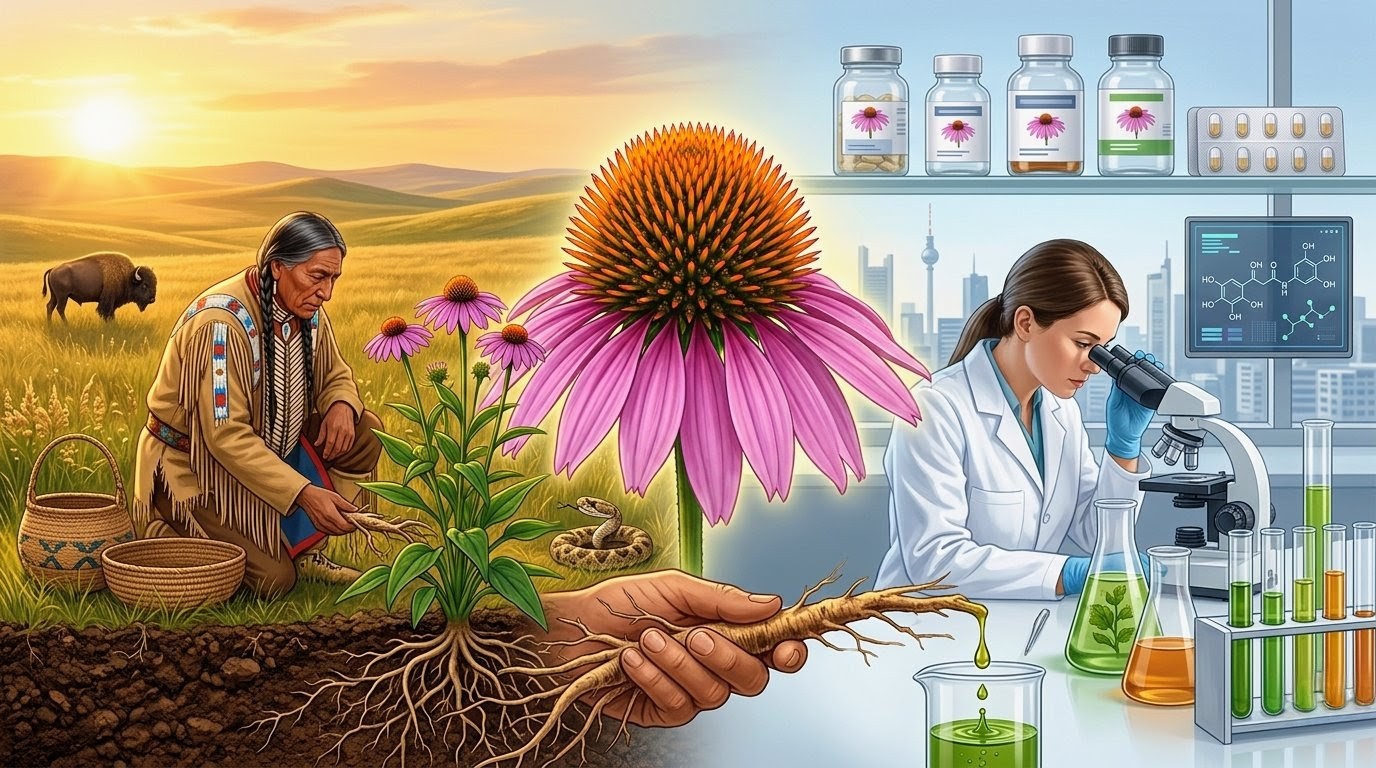
Echinacea is a fascinating subject—a North American native that became one of the world's most popular herbal remedies. Let discover its origins, the science behind its immune-supporting reputation, and the intriguing stories.
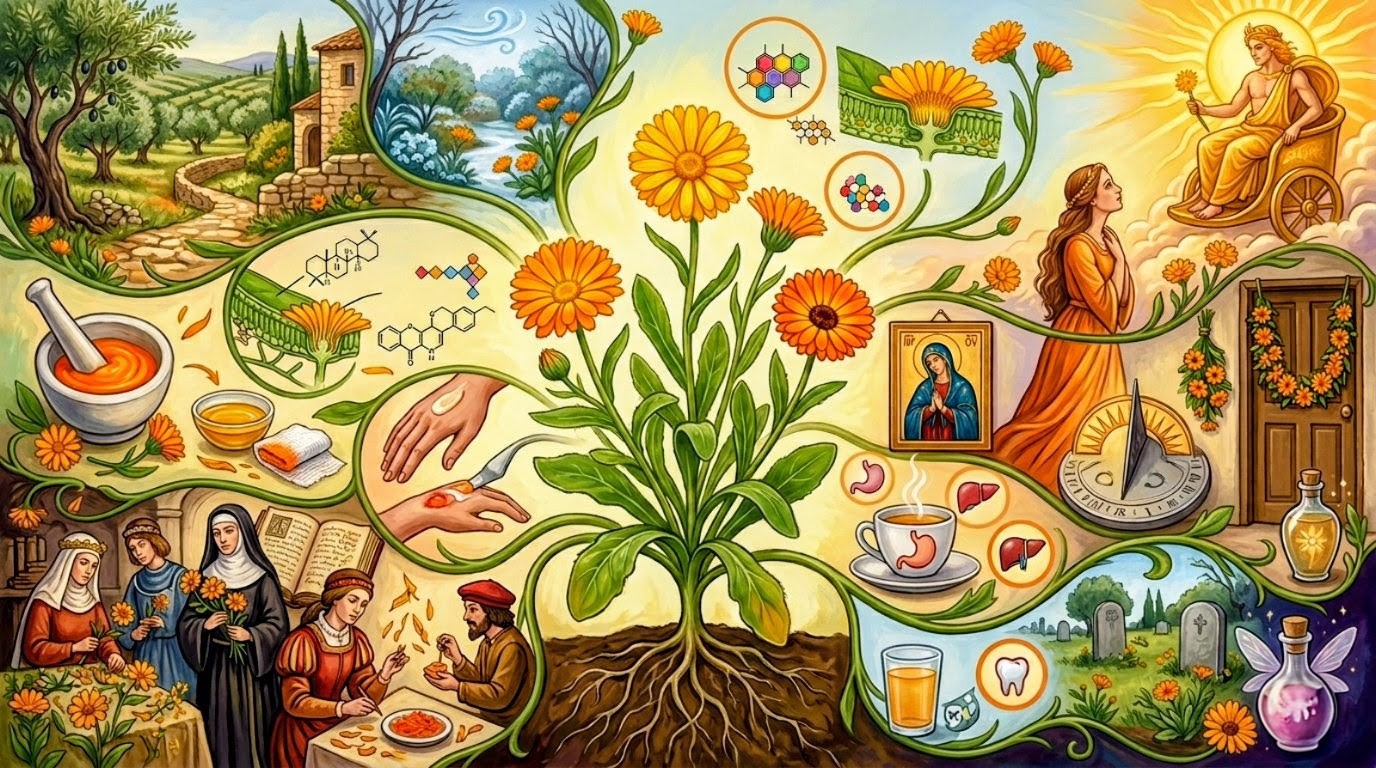
In medieval Europe, it was known as "poor man's saffron," its bright petals used to colour food, butter, and cheese as an inexpensive alternative to true saffron.
Lavender touched, disease and stench could not follow. A few drops upon the pillow will, with greater certainty than any opiate, summon the angel of sleep.
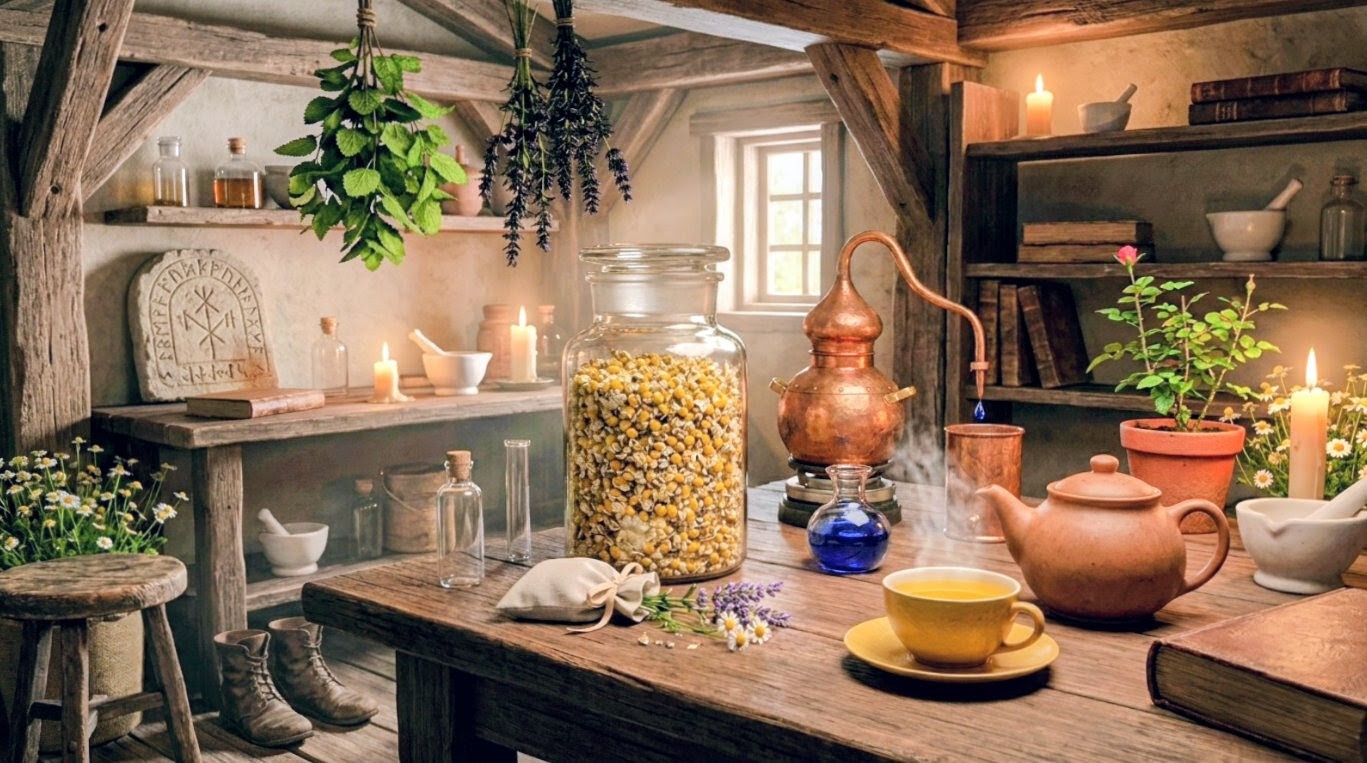
"In the dim light of the stillroom... there is one jar I reach for more than any other when a soul comes to my door with furrowed brow and fretful pulse. It holds the dried heads of the Chamomile Flower. Do not be deceived by its meek appearance... It is a balm for the Spirit as much as for the Fles
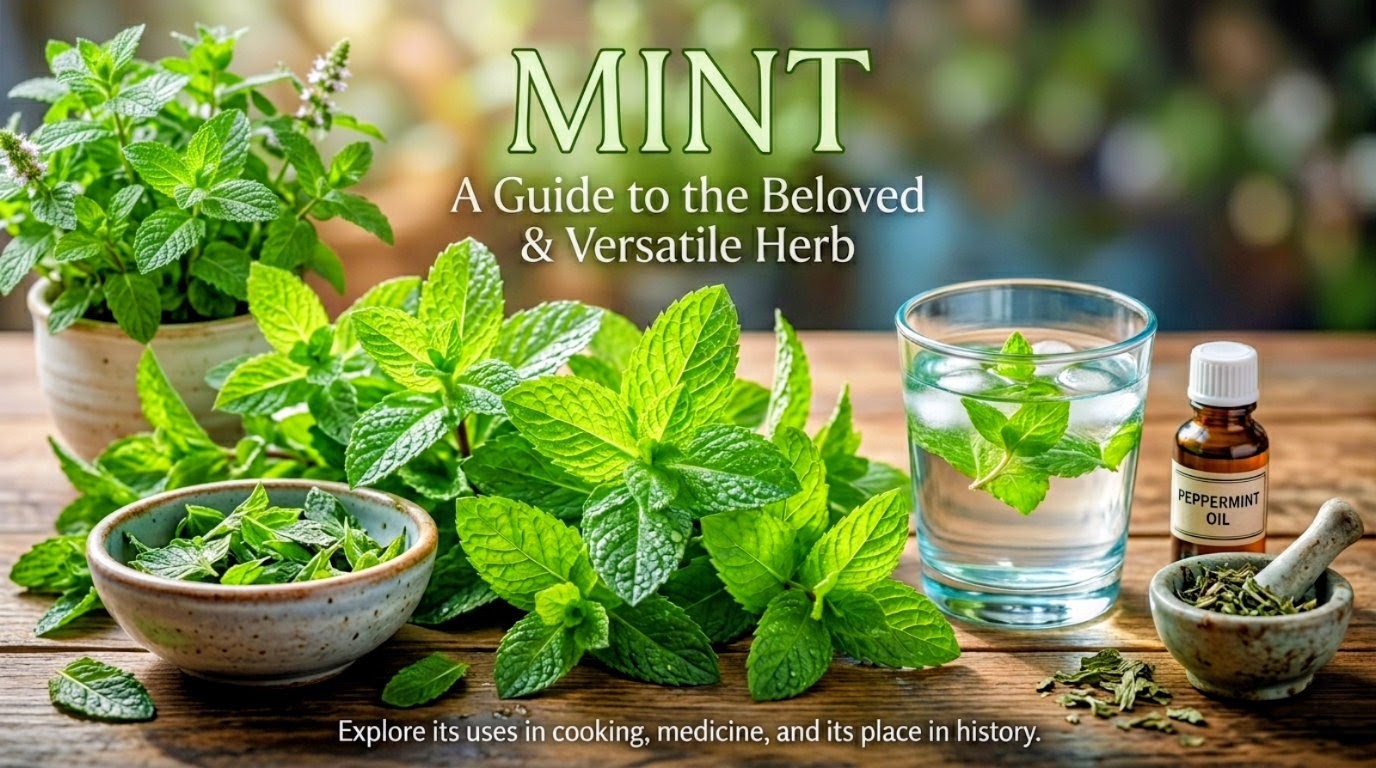
Mint is native to the Mediterranean region and Western Asia. Its name comes from the Greek myth of Menthe, a nymph who was transformed into the plant by Persephone. Ancient Egyptians, Greeks, and Romans used mint for digestion, as a room freshener, and even to flavor sauces and wines.
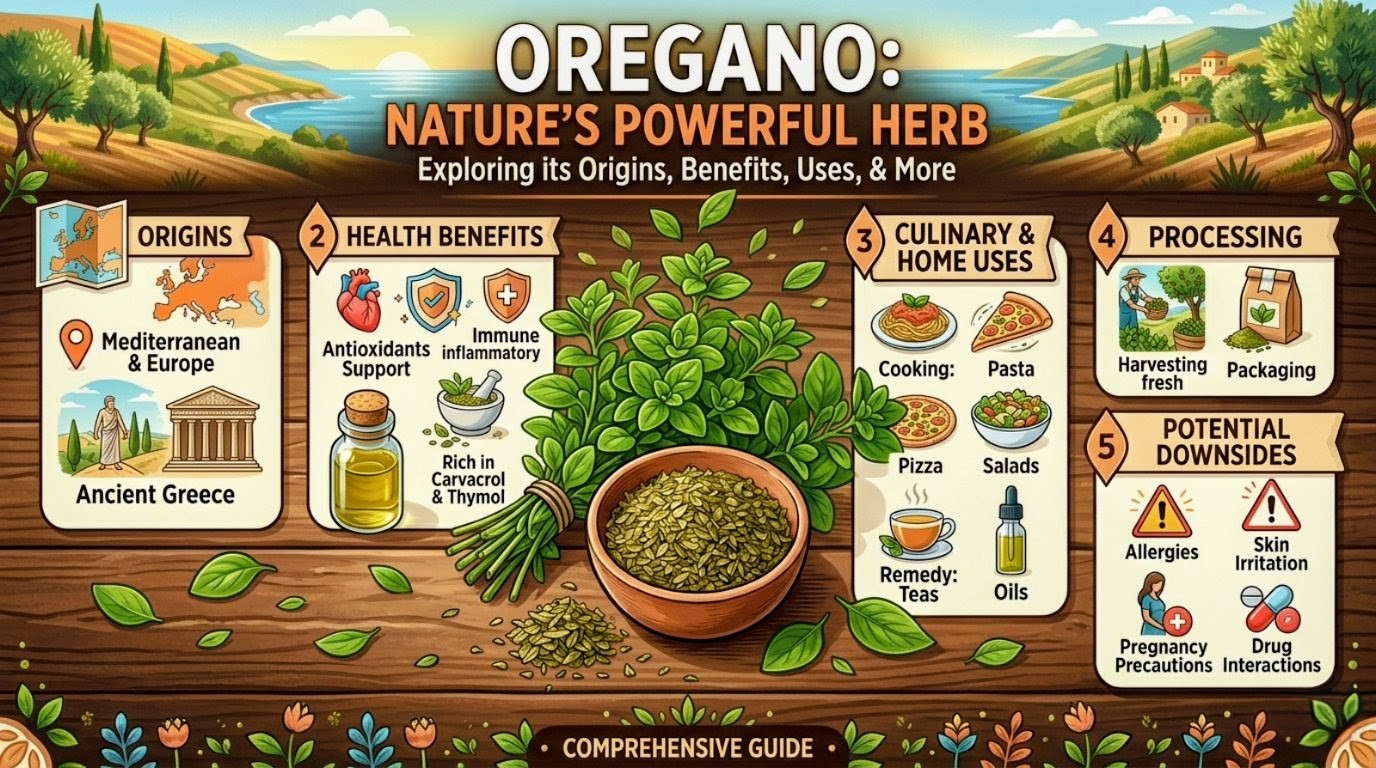
Oregano, covering its origins, health benefits, uses, processing, and potential downsides.