Arugula: The Peppery Powerhouse
Kapil D.
4/11/2026
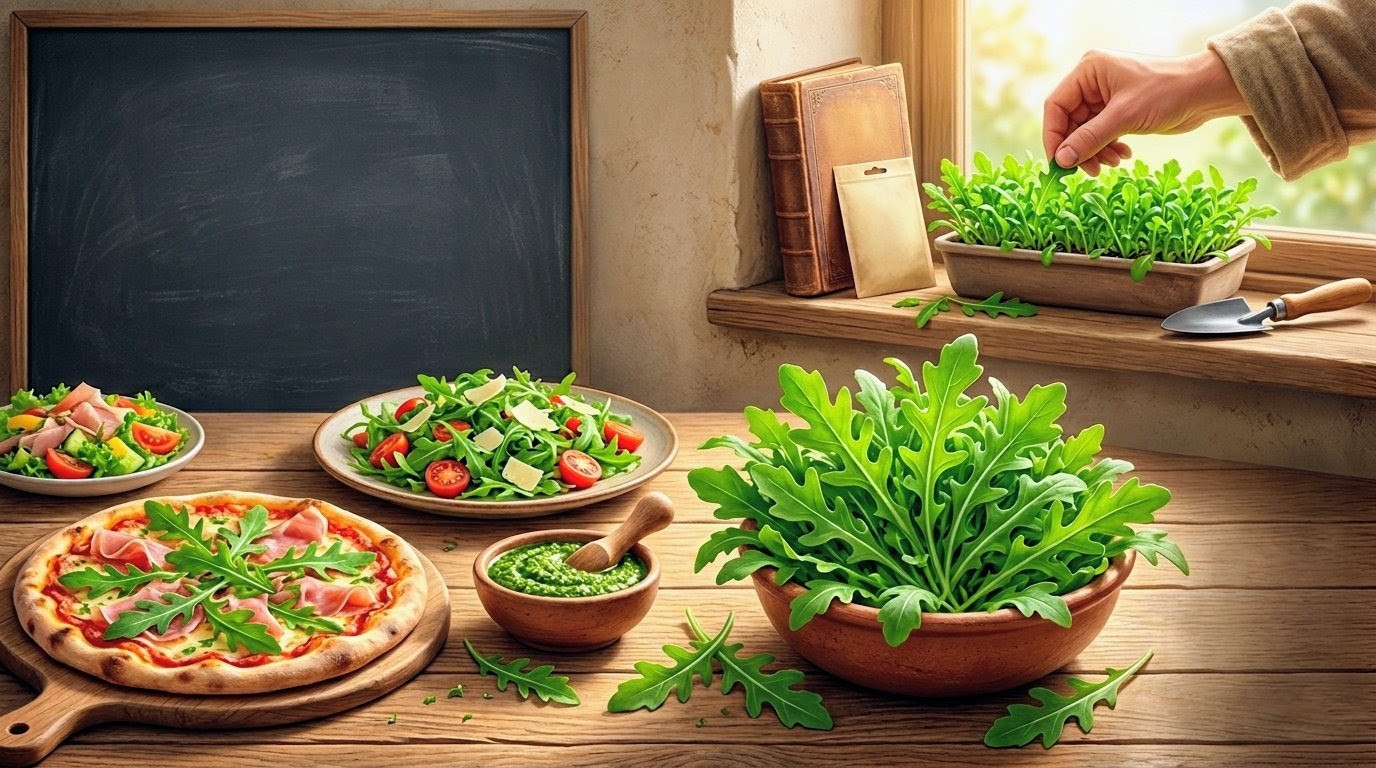
Arugula, or rocket as it's known in many parts of the world, is a leafy green that doesn't shy away from the spotlight. It has a distinct, peppery bite that can wake up any dish. But this green is more than just a pretty face—it has a fascinating history, is packed with nutrients, and is surprisingly easy to grow yourself. Let's dive into everything you need to know about this bold and flavorful plant.
The Roots of a Rebel: Origin and History
Arugula is an ancient crop, native to the Mediterranean region, stretching from Turkey all the way to Northern India. It has been cultivated since at least Roman times, when it was believed to be a powerful aphrodisiac. Its "powers" were thought to be so potent that the early Roman Catholic Church even banned its cultivation in monastic gardens. The plant's botanical name, Eruca sativa, hints at its fiery nature. Today, arugula is celebrated worldwide, from its beloved place in Italian cuisine to its growing popularity in North American kitchens.
The Science of the Spice: Nutritional Value
Don't let its delicate leaves fool you; arugula is a nutritional heavyweight. It is incredibly nutrient-dense while being low in calories, with only about 25 kcal per 100 grams. Here’s what makes it a true superfood:
· Vitamin K Powerhouse: Arugula is one of the best sources of Vitamin K, with a 100-gram serving providing 91% of your daily recommended value. This vitamin is crucial for blood clotting and bone health.
· Rich in Essential Minerals: It’s a great source of calcium (160mg), potassium (369mg), and magnesium, supporting everything from strong bones to healthy blood pressure.
· A Treasure Trove of Vitamins: Arugula is packed with immune-boosting Vitamin C, vision-supporting Vitamin A (as beta-carotene), and folate (vitamin B9), which is essential for cell function and tissue growth.
· High in Antioxidants: It is also rich in compounds like lutein and zeaxanthin, which are known to promote eye health.
From Salad to Pizza: Culinary Uses
The peppery, slightly tart, and nutty flavor of arugula makes it incredibly versatile in the kitchen. Its unique taste is prized by chefs and home cooks alike.
Raw and Zesty: The most common way to enjoy arugula is raw in salads. Its bold flavor pairs wonderfully with the sweet, salty, or rich notes of other ingredients. Toss it with a simple lemon vinaigrette, shaved Parmesan, and pine nuts for a classic combination. It's also fantastic on sandwiches and burgers, where it adds a fresh, spicy crunch.
Cooked and Mellow: When heated, arugula wilts like spinach and its peppery flavor becomes much milder and slightly nutty. It's delicious stirred into hot pasta, soups, and risottos just before serving. Arugula pesto, made by blending the leaves with nuts, cheese, and olive oil, is a vibrant and flavorful twist on the classic. Perhaps its most famous hot application is on pizza; a handful of fresh arugula is often added after baking to prevent it from wilting and to provide a peppery kick against the rich cheese and sauce.
A Global Citizen: Where It's Found
Arugula is now a truly global crop. It is cultivated in many parts of Europe, especially in Italy, where it is a staple. It's also grown extensively in India, North Africa, and Australia. Its popularity has skyrocketed in North America, where it is now a common sight in grocery stores and farmers' markets.
Grow Your Own Peppery Greens: How to Cultivate
One of the best things about arugula is how easy it is to grow. Its rapid growth makes it a favorite among beginner gardeners and seasoned pros alike.
· Climate & Season: Arugula is a cool-season crop, thriving in the mild temperatures of spring and fall. It can even tolerate a light frost. Plant it early in the spring or later in the summer for a fall harvest.
· Sun & Soil: It grows best in a sunny spot but will appreciate some light shade during the hottest part of the day to prevent it from bolting (going to seed) too quickly. Plant it in rich, well-drained soil with a pH between 6.0 and 7.0.
· Planting: Sow seeds directly into the garden as early as the soil can be worked, planting them about 1/8 to 1/4 inch deep. To ensure a continuous harvest, plant new seeds every two to three weeks.
· Care: Keep the soil consistently moist. Arugula has few pests, though you may occasionally see small holes from flea beetles.
· Harvesting: You can start harvesting baby leaves in as little as 3 to 4 weeks. Use a pair of scissors to cut the leaves about an inch above the soil. For a continuous yield, pick the outer, larger leaves first and let the inner ones keep growing.
A World of Flavors: How Many Cuisines Use It?
Arugula is a true international ingredient, adding its distinct flavor to dishes around the globe. While it's impossible to count every single one, it is a prominent feature in the culinary traditions of dozens of countries.
Its roots are deepest in Italian cuisine, where it's used in everything from salads and pastas to a topping for pizza and a condiment for meat dishes like straccietti. In Brazil, it's a star in salads, often paired with mozzarella cheese and sun-dried tomatoes. In Cyprus, you'll find it in omelets, while in Turkey, it's a classic side salad with fish, dressed simply with olive oil and lemon. It is also widely used in Egypt, the Gulf countries, and across West Asia. In India, it's the seeds, not the leaves, that are pressed into a pungent cooking oil called taramira.
From a beloved Italian herb to a global salad sensation, arugula's journey is a testament to its unforgettable flavor and incredible versatility. So, the next time you're looking for a green with character, reach for arugula and enjoy a taste of history.
Written by Kapil D.
An insightful contributor exploring the intersections of culture, technology, and everyday life.